


Mole Removal in Melbourne at Mole Check Clinic
Mole removal methods can sometimes be necessary when moles aren’t only unwanted, but also posing a risk of the development of skin cancer. Mole removal isn’t required for every mole. However, some people also choose to remove unsightly moles or simply unwanted moles.
At Mole Check Clinic, we offer various forms of mole removal in Melbourne, ranging from radio frequency mole removal to cryotherapy. With six clinic locations, we’re a convenient choice when you’re wondering “where can I get mole removal near me?”
Book an Appointment
What is a Mole?
A nevus mole (nevus is the medical name) is essentially a cluster of cells that produces melanin, and most of them are harmless. They’re usually round or oval in shape and can be either flat or raised, with colouring ranging from skin tone to black. They can appear on any part of the body.
Types of Moles
Atypical Moles
Atypical moles are unusual looking benign moles that have irregular features when looked at under enlarging lenses. They’re not necessarily cancerous moles, yet having atypical moles is a risk factor for developing melanoma skin cancer. It’s thought atypical moles arise due to a mixture of genetic and environmental reasons, but the exact causes are still unknown.
While sometimes an atypical flat mole can be benign, due to the link with skin cancer, you should contact your dermatologist or skin cancer clinic if you notice itching, bleeding or swelling, pain, or changes in colour, size, shape, texture or elevation of a mole. These changes may necessitate mole removal. It’s worth keeping an eye on atypical moles, as they can be dangerous due to their correlation with skin cancer.
Benign Moles
A benign mole, skin tag or seborrheic usually takes a well-defined symmetrical shape and is one colour only against your skin. They can be a flat mole or a bump, but most importantly, their appearance will not change over time. These moles are not inherently dangerous, yet all moles should be checked by a qualified skin doctor over time to ensure they’re not changing in appearance. If your moles are benign but you would prefer to have them removed for aesthetic or practical reasons, there are various cosmetic mole removal procedures and techniques available.
How Can a Mole Be Diagnosed?
There are various ways a mole can be diagnosed:
Dermascope Spot Check
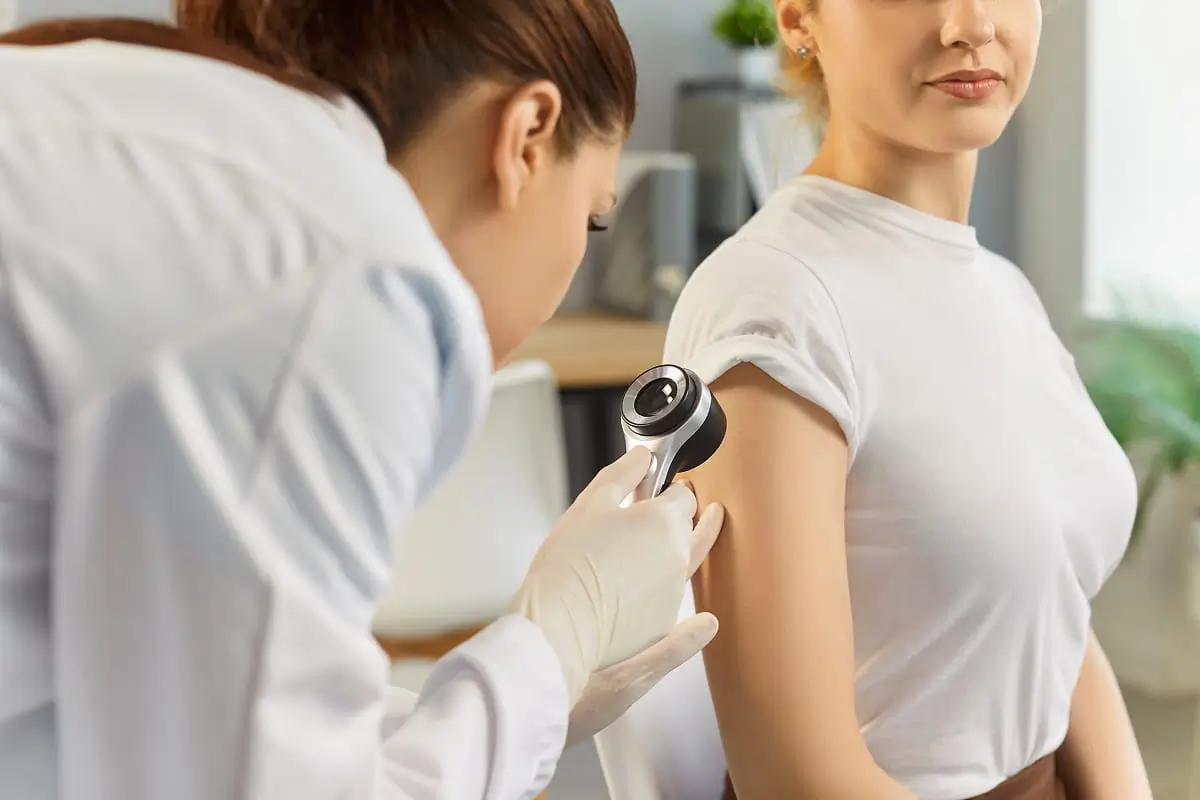
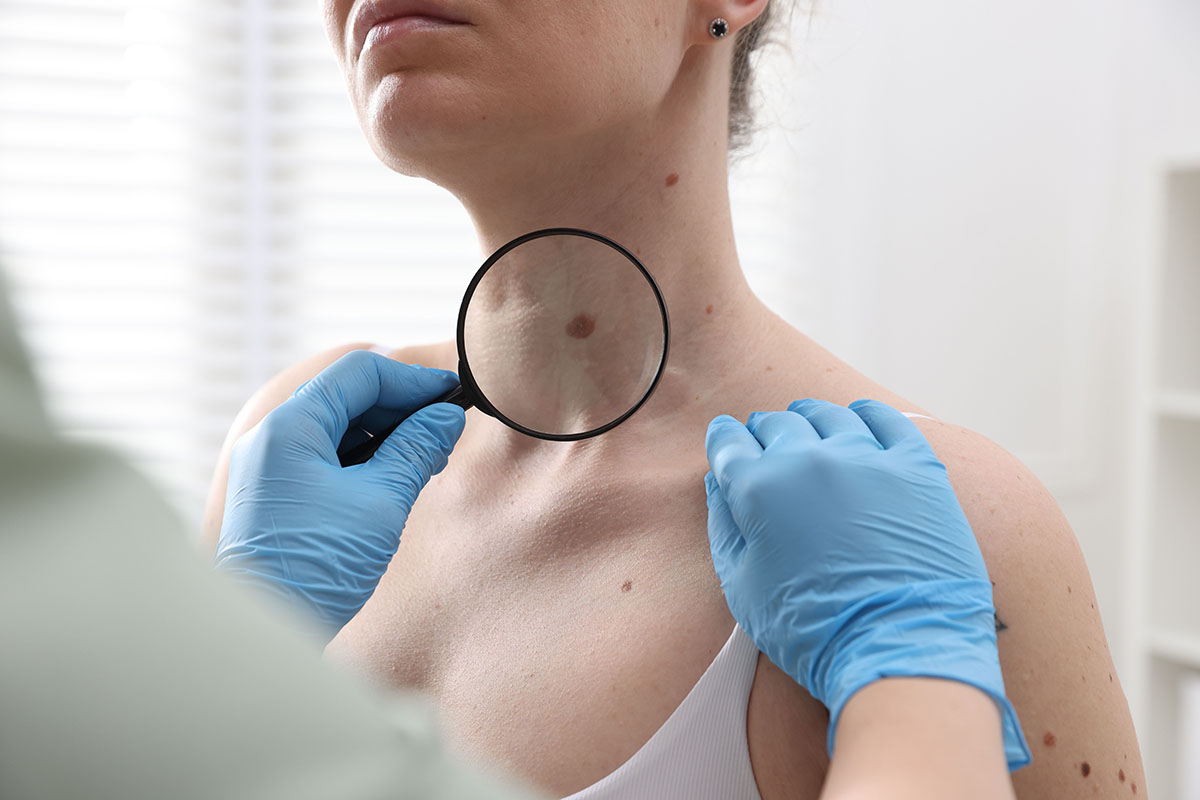
A mole can be checked on a detailed basis using a tool called a dermascope, which enlarges the view of the mole so that a doctor can take a good look at its features.
Full Body Mole Map
A full body mole map involves taking pictures of your body so that locations and features of moles can be accurately recorded. In subsequent years, developments in your moles can be compared to earlier mole maps for quick pinpointing of changes.
Skin Cancer Check
A dermatologist or skin doctor can inspect every inch of your skin, looking at any moles or other lesions for signs of skin cancer. Any suspicious moles will be photographed during the session for more detailed analysis. A skin check ultimately helps to determine if there is any need to remove skin moles.
Treatment Options
Surgical Mole Removal
Excision
- A biopsy usually proceeds excision
- Uses anaesthesia and may require stitches
- Mole area will be measured, mapped and photographed
- Recovery time may be days to weeks
- Stitches out in 2 weeks
When a doctor believes a mole may be cancerous and needs to be checked by the laboratory or must be removed for any other reason by surgery, then a biopsy is performed. If the mole is confirmed to be cancerous or otherwise posing a health risk, then more surgery is usually required.
Excision biopsy is performed when it is necessary to cut out the entire mole. A small amount of local anaesthetic is applied around the mole, which is then cut out together with some surrounding tissue. A couple of stiches are required to close the wound, so a small scar will inevitably result which will fade with time.
Punch
- May leave a small scar
- Uses anaesthesia
- Often no stitches required
- Heals in a few weeks
Punch biopsy, as with full excision, cuts out the entire mole. It leaves a small scar or none. However, it can only be performed on moles which are quite small. A small amount of local anaesthetic is applied around the mole as with a normal excision. However, punch excision is a much less invasive form of mole removal. A special tool is used to remove the desired portion of skin from the target area. As the diameter of the area is quite small, often no stitches are required. After punch excision, the skin looks like it has been pierced by a sharp object.
Shaving
- Uses a small amount of anaesthesia
- No stitches usually required
- Minimal or no scarring
- 5 days average recovery
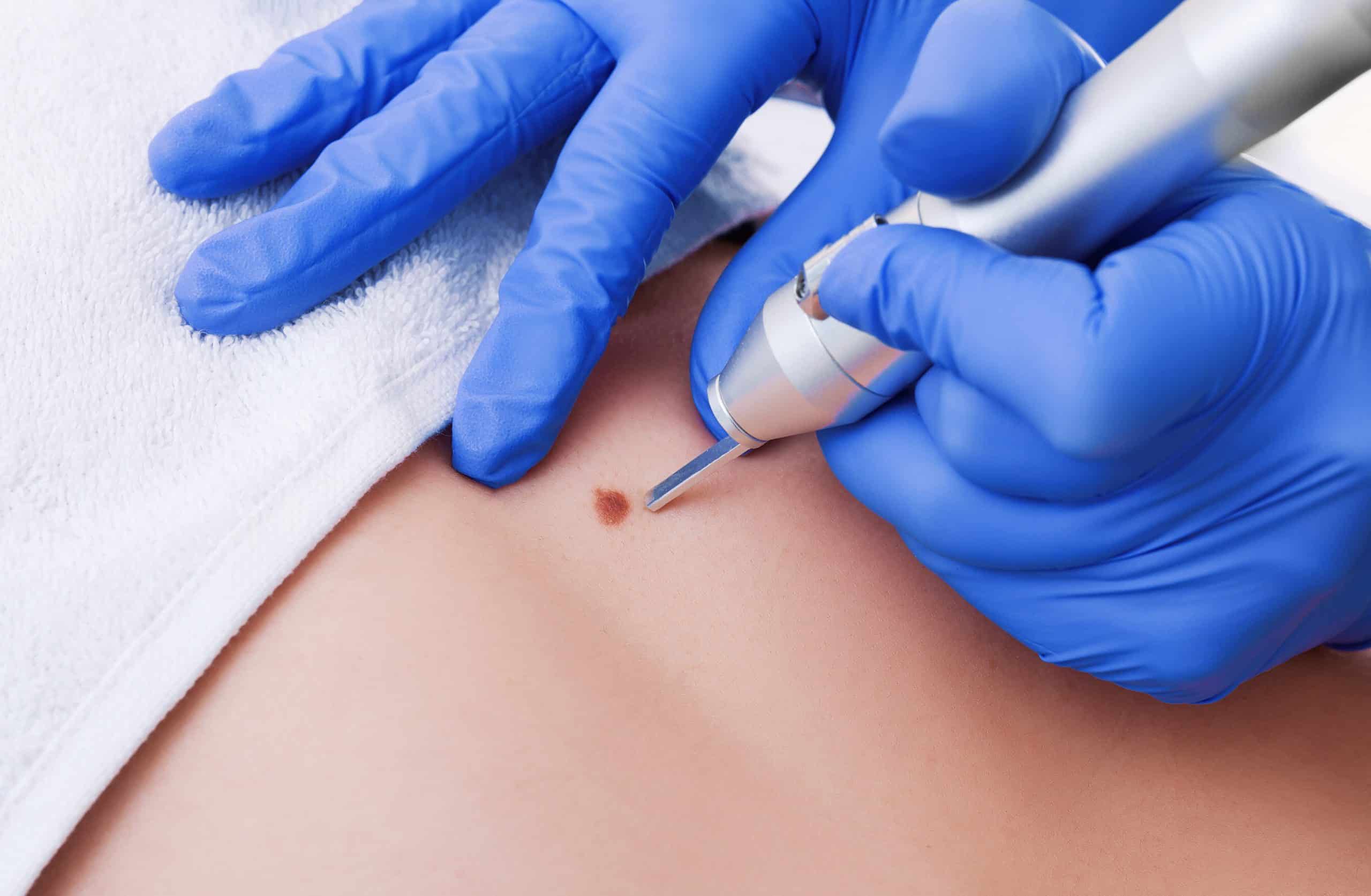
Certain moles can be shaved down using a special instrument. Only the top layer of the mole is removed. The depth of the incision may vary depending on the circumstances. A small amount of local anaesthetic is normally used to numb the area around the mole. Normally no stitches are required and therefore minimal or no scarring occurs. The procedure is frequently used to remove moles raised above the surface of the skin.
Non-Surgical Mole Removal
Radiofrequency
- Fast healing
- Less bleeding and scarring
- No stitches necessary
- Full recovery in 1 week
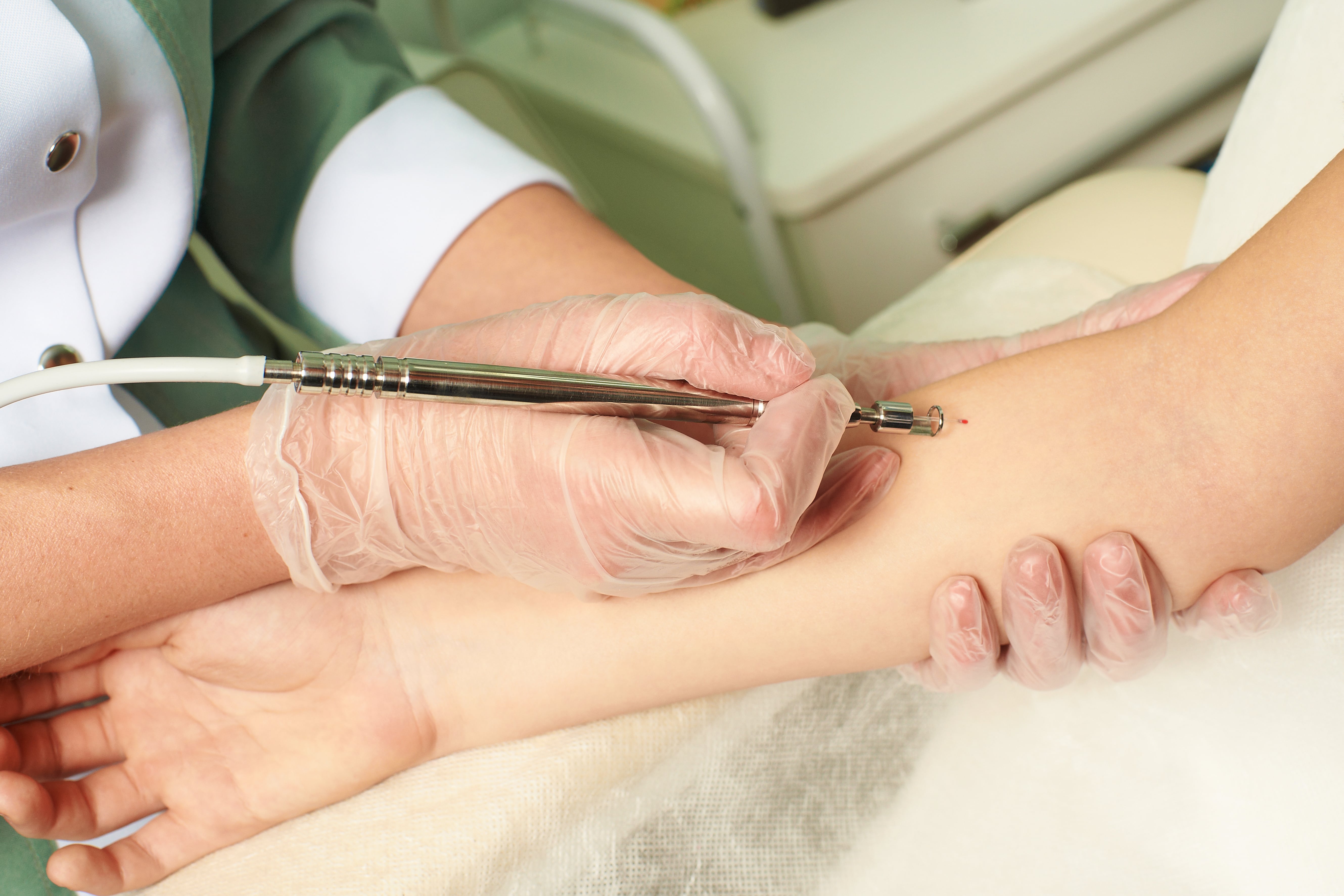
High frequency radio wavelength, when channelled through an electrode tip, can be used to cut through skin. We use a reputable medical device called Hyfrecator 2000 to perform radio frequency mole removal in Melbourne. There are many advantages of using radiofrequency to remove raised, not harmful moles by shaving them off. There is much less bleeding, scarring and swelling, the wound heals much faster, and there is less chance of an infection. It can also be used on any part of the body. As there is no stitching required, the cosmetic outcomes can be exceptional.
However, only certain moles can be removed using the radiofrequency mole remover device. They are generally raised and not harmful. Therefore, it is very important to have a proper consultation with an experienced doctor to make the right choice.
Anaesthetic is always applied to the area before the doctor starts removing the lesion one layer at a time to achieve a flat surface. Once the desired outcome is achieved, only a light dressing is required. Full recovery is achieved in approximately one week.
Cryotherapy
- Fast procedure
- Near painless
- Highly effective
Cryotherapy uses extreme cold, usually liquid nitrogen, to remove targeted skin lesions and essentially freeze off a mole. The cells inside the lesion are completely destroyed and are removed by the body’s immune system or form a scab and fall off.
Cryotherapy is primarily used to freeze warts, skin tags, harmless moles, blood spots, solar keratosis and sun spots. Procedures are fast and almost painless. More than one treatment may be required to achieve the desired result depending on the size and the depth of the lesion.
Mole Removal Recovery
You will receive clear instructions on wound management after your procedure depending on which of the mole removal methods has been used. Normally the recovery after excision is very minimal. Even after the full excision, the swelling usually disappears after a few days. It is important to keep the treated area clean to avoid infection. Staying out of direct sunlight is also necessary to facilitate the healing process and to avoid scarring. Stretching the site of surgery is not advisable, as it may cause bleeding and increase the size of the scar.
The most common risks of surgical mole removal are bleeding, bruising, infection and scarring. It is therefore very important to advise your doctor if you are diagnosed with excessive bleeding.
The Importance of Mole Removal
Mole removal may be recommended for diagnosis, treatment, irritation, or cosmetic reasons after medical assessment. The reasons for removing a mole can vary from person to person, but the points below explain some of the most common reasons a doctor may recommend removal.
- It can help investigate suspicious changes – A mole that changes in colour, size, shape, border or texture should always be checked. New symptoms may also need medical review. When a doctor removes a concerning mole, it can be sent for testing to confirm whether it is benign or linked to skin cancer.
- It can reduce ongoing irritation – For some patients, removing a raised mole may reduce recurrent irritation from friction, depending on the lesion, location and chosen method.
- It may improve confidence in visible areas – Some people feel self-conscious about moles on the face, neck, chest or other noticeable areas. If the mole has been assessed as harmless, cosmetic removal may be discussed. As a professional mole removal clinic in Melbourne, Mole Check Clinic can explain suitable options after an assessment.
- It avoids the risks of at-home methods – Cutting, burning or applying store-bought mole removal products can damage the skin and may cause infection or scarring. Medical assessment is an important first step before any method is considered.
- It gives you a clear treatment plan – At Mole Check Clinic, your doctor can explain whether surgical removal, shave removal, cryotherapy or radio frequency treatment is appropriate. Our mole removal in Melbourne is also followed by aftercare instructions to support healing.
Why Avoid DIY Mole Removal?
DIY mole removal might seem like a simple way to deal with an unwanted mole, but it can put your skin and health at risk. Here are some key reasons to avoid at-home removal:
- You may miss signs of skin cancer – A mole can look harmless while still showing features that need medical attention. Seeing a doctor before mole removal allows the mole to be examined properly and, if needed, sent for laboratory testing.
- It can delay the right diagnosis – If a mole is melanoma or another type of skin cancer, removing or damaging it at home may delay proper treatment. A professional assessment gives you clearer answers from the start.
- There’s a higher risk of infection – DIY methods can break the skin without sterile equipment or suitable wound care, raising the chance of bacteria entering the area. At our mole removal clinic in Melbourne, treatment is performed in a controlled clinical setting with appropriate aftercare advice.
- Scarring may be worse – Trying to remove a mole yourself can damage surrounding skin. Professional mole removal in Melbourne allows your doctor to assess factors such as size, depth and location when discussing suitable options and risks, including scarring.
- The mole may not be fully removed – At-home products often target the surface only. If mole cells remain deeper in the skin, the mole may grow back or become harder to assess later. Medical mole removal provides proper review, treatment planning and follow-up if needed.

Why Choose Mole Check Clinic for Mole Removal in Melbourne?
Choosing the right clinic matters when you’re considering mole removal. At Mole Check Clinic, we focus on assessment, clear advice and treatment options suited to your skin.
- Your mole is checked before treatment – We don’t recommend removing a mole without first assessing its features. Your doctor will examine the lesion and consider factors such as colour, shape, size, location and any recent changes.
- We offer a range of removal options – Different moles need different methods. Depending on the mole’s appearance and suitability, your doctor may discuss surgical removal, shave removal, cryotherapy or radio frequency treatment.
- Clear advice without confusion – Skin procedures can feel daunting, especially if you’re unsure whether a mole is harmless or concerning. Our doctors will explain what they can see and provide the information needed to make an informed decision.
- Convenient clinic locations across Melbourne – With six locations, Mole Check Clinic makes mole removal in Melbourne easier to access. Whether you’re booking because of a changing mole or want advice about a lesion that’s causing irritation, you can book in at a clinic location near you.
- Aftercare is part of the process – Healing well depends on what happens after treatment too. Following your procedure, you’ll receive guidance on dressing, cleaning, sun protection and what changes to watch for while the area recovers.
- A clinic focused on skin checks and mole assessment – Mole Check Clinic combines skin assessment with practical treatment advice, helping patients understand their options.
Make an Appointment at Our Mole Removal Clinic Today
It’s just not worth trying to DIY mole removal – in fact, it can be downright dangerous. While you can do a mole self-check at home, if you spot anything unusual, it’s important to seek professional help. If you’ve noticed a suspicious mole that’s changing shape, or if you simply want an unwanted mole removed, make an appointment with Mole Check Clinic today by calling 1800 665 324. With six clinic locations across Melbourne, we’re a clear choice when you’re searching for “mole removal near me”.
Book an Appointment Contact UsFrequently Asked Questions
How much does mole removal cost?
The mole removal cost will depend on which of the available mole removal methods is used and how involved it is.
Can moles grow back after removal?
It is possible for moles to grow back if some cells from the mole were left after the initial removal, however it is unlikely. If you want to make sure your mole does not grow back, ask your skin doctor about surgical methods of mole removal.
On which parts of the body do moles form?
Moles can appear anywhere on your body, including between fingers or toes, on the face, under the armpits and even under the nails.
Can a GP remove a mole?
A GP can remove a mole via excision biopsy, yet often if they suspect skin cancer in a patient, they will refer the patient to a dermatologist who has more specific tools to investigate suspicious moles.
Is it safe to remove moles at home?
No, it is definitely not safe to attempt to remove moles at home. This may result in bleeding and infection. Always go to a GP or a mole removal clinic if you have concerns about moles or wish to have them removed.
Do mole removal creams work?
Mole removal creams are very risky because any at home treatment is circumventing the need to see a doctor or other skin specialist. Attempting to remove a skin lesion that is actually a melanoma is highly dangerous, as you won’t know what kind of mole you’re dealing with.
How do you remove skin tag moles?
If you’re looking to remove skin moles or skin tag moles, the first step is a proper medical assessment. At a professional mole removal clinic, options like excision, cryotherapy or radio frequency mole removal may be recommended depending on the type, size and location.
Can skin moles be removed?
Yes, skin moles can be safely removed through professional mole removal methods. Whether it’s for medical reasons or cosmetic mole removal, your doctor will assess the mole and suggest the most suitable technique.
Do skin tag removers work on moles?
Over-the-counter skin tag products are not recommended for moles. This is because a store-bought skin tag or mole remover will not distinguish between a harmless mole and a potentially serious lesion. For safe skin mole removal, it’s important to visit a medical professional who can assess whether mole removal is appropriate.
Can flat moles be removed by radio frequency?
In some cases, flat moles can be treated with radio frequency mole removal, but suitability will depend on their depth and characteristics. This method is generally used for raised, non-cancerous lesions. During a consultation at a mole removal clinic, your doctor will determine if radio frequency is suitable or if another mole removal technique might be a better option.
Do moles grow back after radio frequency removal?
It’s uncommon, but moles can grow back if some pigment cells remain after radio frequency mole removal. This is why proper assessment and technique are important. If regrowth does occur, your doctor may recommend further mole removal treatment.
Is it safe to remove moles by radio frequency?
Yes, when performed by an experienced doctor, radio frequency removal is considered safe for suitable non-cancerous moles. If you’re considering radio frequency mole removal in Melbourne, always ensure a proper skin check is done first to confirm the mole is appropriate for this treatment.