


Mole Mapping in Melbourne
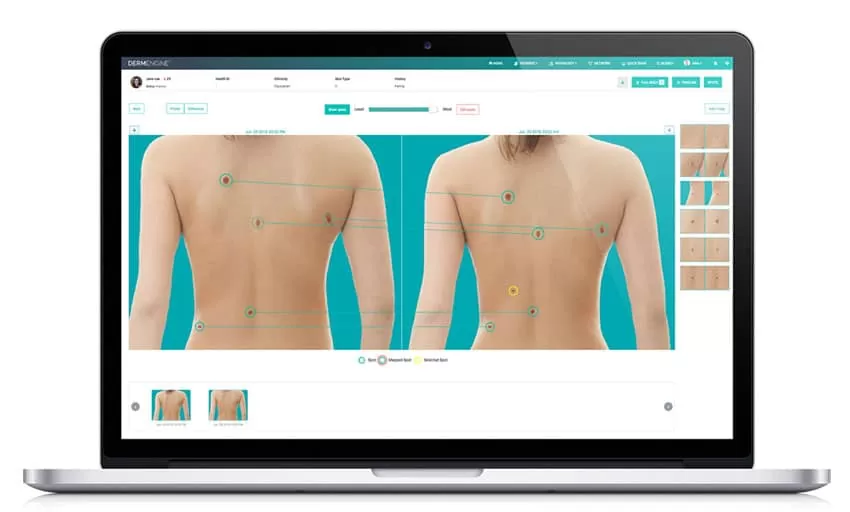
At Mole Check Clinic, we offer professional mole mapping in Melbourne as part of our skin cancer screening services. On this page, you can find useful information about digital mole mapping and mole screening in Melbourne, including some of the most frequently asked questions we receive from patients at our skin cancer clinic.
What is Mole Mapping?
Full body mole mapping (full body photography) is a technique of making a record of the entire body surface and the positions of individual moles or lesions. A body mole map allows for the ability to compare current and past photographs of moles on the body with photographs taken in the future. Creating a mole road map is the best method of monitoring the appearance of new moles.
The Difference Between Mole Mapping and
a Skin Cancer Check
A mole map involves taking a series of 28 photographs that cover the entire surface of the body. These photographs are then stored in a database where they can be compared with past and future mole map photos. A skin cancer check involves a specialised skin cancer doctor examining the skin from head to toe with a special device called a dermatoscope. Any moles or freckles will be closely examined and will be tested if they exhibit signs of skin cancer. If you’re wondering “where can I get mole mapping near me?”, Mole Check Clinic has mole mapping clinics across Melbourne where we can perform full body mole mapping in conjunction with a full body skin cancer check.
How Does Mole Mapping Work?
Mole mapping utilises sophisticated digital mole mapping software. The mole map procedure itself is non-invasive. A person will be asked to undress to their underwear (underwear and bra for women). The process of taking photographs of every section of the body then begins. As the photos are taken, it may be necessary for the operator to stop and check them periodically to make sure the accuracy, focus and the position are all correct. At our mole screening clinic, we use the most advanced digital mole mapping software (Dermengine) and optics available on the market. This technology breaks down the body into 28 sections to make sure that the entire skin surface is covered. In addition to storing photographs, our software provides inbuilt tools which assist greatly in diagnosis of different types of precancerous moles and skin cancer. One of the most important features of the mole mapping technology is the ability to identify new spots or lesions. With new developments in software and optics and the ability to store large amounts of data, mole mapping has become a powerful tool for the diagnosis of skin cancer.
How long does a mole map take?
A standard mole map usually takes around 20 minutes. During your visit, we complete full body mole mapping using advanced digital mole mapping software to capture detailed images of your skin. If your mole map is combined with a skin cancer check, allow a little extra time. Many patients booking mole mapping in Melbourne are pleasantly surprised by how quick and straightforward the process is.
How Much Does Mole Mapping Cost?
At Mole Check Clinic, mole mapping may be performed after the full body skin cancer check. We offer special promotional prices on a regular basis. View our fees to find out more about our skin check and mole mapping costs.
Preparing for Mole Mapping
When preparing for your full body mole mapping, we ask that you do not wear any fake tan, makeup or nail polish. You should also wear plain-coloured underwear to the mole mapping session. Excessive body hair may interfere with good quality photographs, in which case you may consider shaving prior to your mole map appointment.
What to Wear When Getting a Mole Check
Loose clothes that are easy to remove are recommended. We do not require you to take your bra and underwear off. However, you may request to take photos of those regions if you feel comfortable to do so. Alternatively, you could ask the doctor to examine those areas for malignant signs without taking photos.
Is mole mapping worth it?
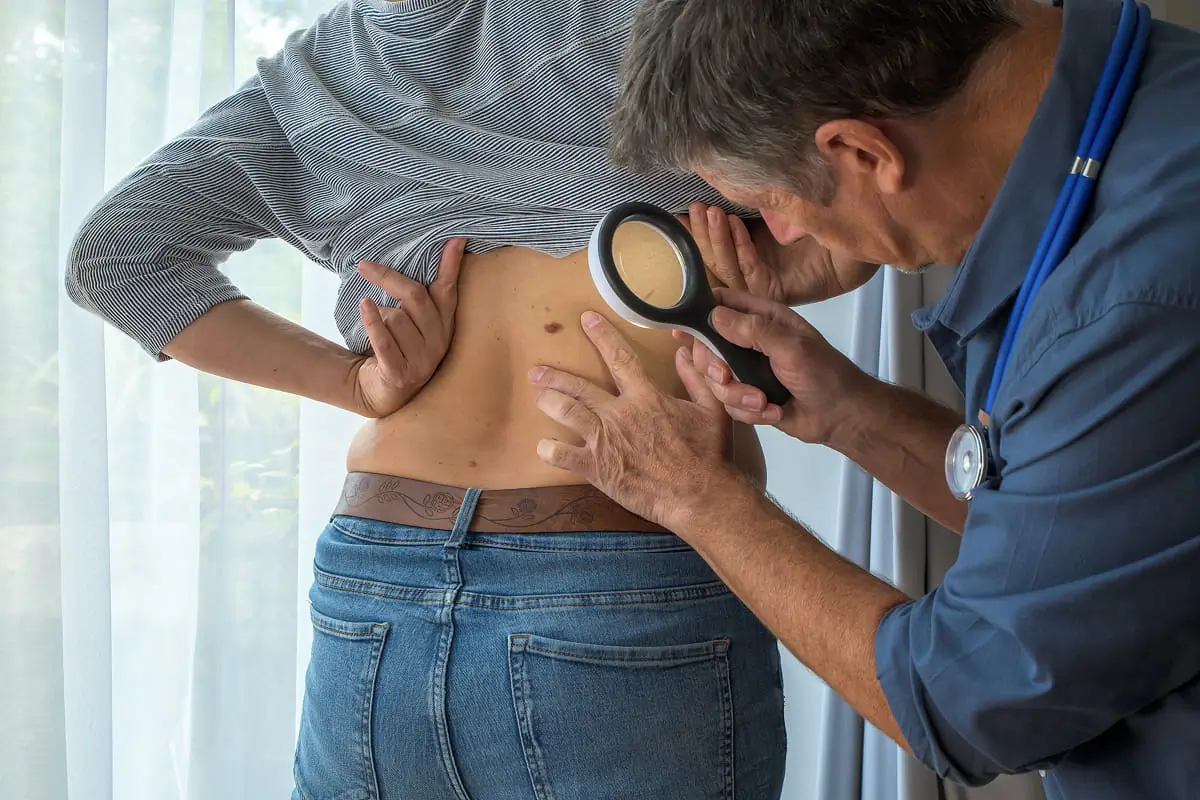
Given Australia’s high rates of skin cancer, many patients find mole mapping a valuable part of their regular skin checks. A body mole map creates a visual record of your moles so changes can be detected early. If you’ve been searching for “mole mapping near me”, booking an appointment can provide you with added peace of mind.
Does mole mapping detect cancer?
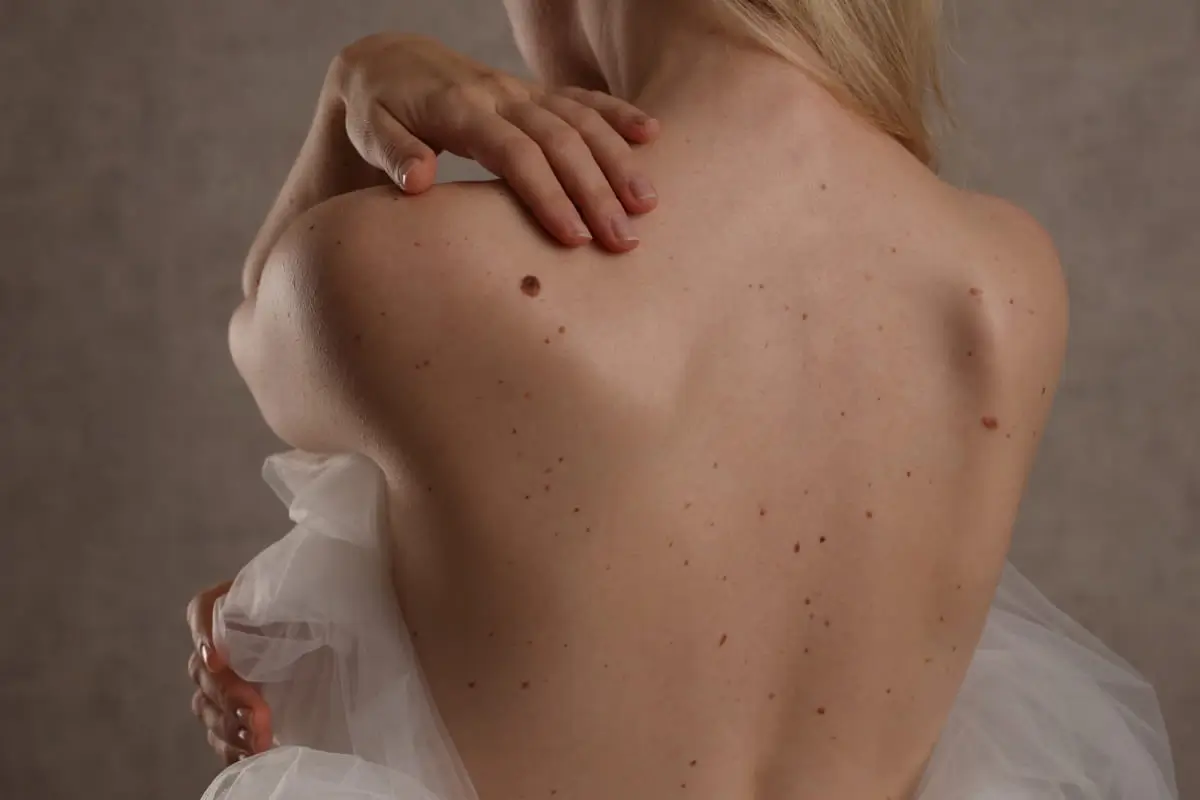
Mole mapping itself does not diagnose cancer, but it plays an important role in early detection. By comparing images from your digital mole mapping session over time, doctors can spot new or changing lesions. When combined with a clinical examination and biopsy if required, full body mole mapping can support the identification of melanoma and other skin cancers.
Submit an Enquiry to Book a Consultation
The doctors and support staff at Mole Check Clinic are committed to helping patients by promoting the values of earliest detection, self-examination and regular check-ups by qualified practitioners. For detailed monitoring of the moles and spots on your body, make an appointment for a thorough full body skin cancer check at Mole Check Clinic. You can also find out more about the skin check and mole mapping costs here.
Book an Appointment Contact UsFrequently Asked Questions
Can your GP do a skin cancer check?
While some General Practitioners can provide a skin cancer check service, there are only few GP clinics that are equipped with the technology to do so. For this reason, visiting a specialised skin cancer clinic such as Mole Check Clinic is recommended.
How much does a biopsy cost?
The cost of a biopsy will depend on whether a minor biopsy or a standard excision biopsy is needed. At Mole Check Clinic, we perform a minor biopsy for $87 and a standard biopsy for $140. These prices are after the Medicare rebate. View more information on our fees page.
How Do Doctors Check spots for Skin Cancer?
Doctors are able to check spots for skin cancer by closely examining them for suspicious signs that may indicate skin cancer, such as a change in colour, shape, outline, loss in symmetry and other indicators. When skin cancer is suspected a biopsy of the mole is performed.
Do you need a doctor’s referral for mole mapping?
No, you don’t need a referral to book mole mapping in Melbourne with us, which means you can simply contact our clinic directly to arrange your mole map and skin cancer check. Booking a mole map is easy and can be organised at a time that suits you.