



Choosing sunscreen might at first seem like an easy task before you see the wide variety of options available. Have you ever checked the SPF (sun protection factor) of your sunscreen? You should, as this is what will form the basis of your skin’s sun protection. Below, we’ll go into detail on which sunscreen to choose, how to apply and reapply it, the Australian sunscreen standards, the health benefits of sunscreen, and much more.
If you’re interested in reading specific information, click on one of the navigation links below to jump directly to that topic.
- Choose the right sunscreen
- Application
- Reapplication
- Other sun protection tips
- The Australian sunscreen standards
- Some skin health benefits of using sunscreen
- Save your skin by choosing Australian made sunscreen
- FAQs
Choose the Right Sunscreen
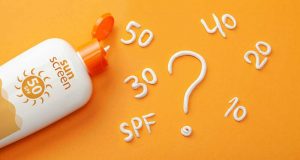 Here are some things to keep in mind when choosing sunscreen:
- Available types of sunscreen include creams, gels, oils and spray
- Choosing an SPF (sun protection factor) of 30+ or 50+ is important
- Make sure you read the label and check the ingredients and use-by date
- Use a broad spectrum sunscreen to protect against UVA/UVB rays
- Opt for a water resistant sunscreen and reapply after swimming
When choosing sunscreen, make sure you read the label, as not all of them are the same. Always choose sunscreen with broad-spectrum protection against both UVA/UVB rays. UVB rays cause sunburn while UVA rays contribute to skin aging, and both can be harmful and cause sun damage. Only products that are specifically tested are labelled ‘broad-spectrum’.
When choosing sunscreen, you need to make sure that it is SPF 30+ or higher. The SPF (sun protection factor) indicates the degree of protection that the sunscreen provides against UVB radiation. SPF 30+ filters out about 97% of UVB rays and SPF 50+ about 98%. No sunscreen gives you 100% sun protection.
When choosing sunscreen for swimming, you need to opt for water resistant sunscreen. No sunscreens are completely waterproof, so you’ll need to reapply it according to manufacturer’s instructions to maintain its effectiveness. Sunscreen also rubs off when you dry yourself with a towel, meaning you’ll need to put it on again for continued sun protection.
Application
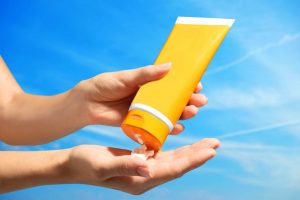 Make sure to apply sunscreen properly at least 20-30 minutes before you go outdoors. This gives the sunscreen ample time to work before your skin is exposed to the sun. Be generous with the amount of sunscreen you use, as it’s better to put on slightly too much than not enough. Sun damage can occur when we don’t apply enough sunscreen, or if we don’t apply it frequently enough.
For adults, apply at least 5ml (one teaspoon) for each area of the body – leg, face, neck, arm, etc. For your whole body, as a rough guide you might use 35ml (seven teaspoons). Obviously if you’re a bigger/taller person, you might need more, and if you’re a smaller person, you might need less. Apply sunscreen to all areas of the body that aren’t covered by clothing.
Reapplication
When using sunscreen, make sure you reapply every two hours or directly after swimming to stay safe against UVA/UVB rays.
Other Sun Protection Tips
Other than using sunscreens in Australia, other ways of protecting yourself from sun damage include protecting your skin by wearing long sleeved clothing that covers you well, staying in the shade to limit exposure to direct sunlight, avoiding tanning beds and sun lamps, and wearing sunglasses and a broad brimmed sunhat. For the best in sun protection, combine these sun smart ideas with sunscreen to protect against UVA/UVB rays.
For more information on how to protect yourself from the sun and prevent skin cancer, read our handy Skin Cancer Prevention Guide.
The Australian Sunscreen Standards
The Australian sunscreen standards state that an SPF (sun protection factor) rating of 50+ filters out 98% of UV radiation, while an SPF 30+ filters out 96.7%. A broad spectrum sunscreen filters out both harmful UVA/UVB rays and is the best choice of sunscreen.
Manufacture of sunscreens in Australia is regulated by the Australian Government’s Therapeutic Goods Administration. All sunscreens are tested to make sure they are safe, follow the TGA approved formula, have valid SPF claims, and contain the necessary active ingredients. Some people have qualms about using sunscreen, but it’s a highly regulated arena, and ultimately sunscreen saves lives.
Some Skin Health Benefits of Using Sunscreen
- Lowers the risk of skin cancer
- Maintains an even skin tone
- Protects from sunburn and pigmentation
- Prevents premature ageing
Save Your Skin by Choosing Australian Made Sunscreen
It’s best to protect your skin by choosing Australian made sunscreen, as you can be sure that sunscreen in Australia adheres to our country’s standards of protection. When you opt for an Australian sunscreen, you know what the SPF (sun protection factor) means in terms of saving your skin from aging, burning and skin cancer.
Frequently Asked Questions
The short answer is yes, sunscreen will prevent tanning to a large extent. If you’re still getting a tan while using sunscreen, you may not be applying it properly, or often enough. It’s possible a small amount of tanning may still occur when wearing sunscreen, as no sunscreen blocks 100% of the sun’s rays. However, your priority should not be tanning, but preventing sun damage that can lead to the most common types of skin cancer.
It sure does. According to the Australian Cancer Council, “in 2010, Australians prevented more than 1700 cases of melanoma and 14,000 cases of non-melanoma skin cancer thanks to regular sunscreen use over the previous decade.”
Skin care experts recommend that you do wear sunscreen every day on areas that are commonly open to sun exposure, such as the face, neck and hands. This can also help to prevent sun damage. Making it part of your regular daily routine means that you can protect your skin from aging, burning and skin cancer as a matter of course.
First of all, you should choose a broad spectrum sunscreen that protects against both UVA and UVB rays. If you want the highest protection, choose SPF 50+. If you’re happy with a lower protection, use SPF30+. Don’t forget to choose a sunscreen that’s water resistant if you’ll be swimming.
Sunscreen can be used for kids, but you should be careful when applying that it doesn’t get into their eyes or mouths. Be aware of sunscreen safety in this way. There are many sunscreens on the market with application options that are easier for kids to use. There are also sunscreens that use natural ingredients which are designed for more sensitive skin that are dermatologically tested to be paraben and fragrance free.